
Engineering proof
We publish how tractor packages are dyno-checked, how planter meters are sampled, and how boom sprayer drift trials are logged—so buyers can audit methods instead of marketing claims.
“Acceptance criteria must survive an agronomist’s challenge: engine power without ballast notes, or tank capacity without spray drift control class, is incomplete.” — 2025 Field Methods Brief, John Deere Spec Labs (internal publication ID JD-FM-2025-04)
The brief documents PTO torque traces, seed-meter sample sizes and boom nozzle wind-tunnel classes used in package validation. It is a methods note—not a customer testimonial—and buyers may request the excerpt with their RFQ.
Facilities focus on measurable tractor and implement behavior rather than showroom staging. Each bay keeps ISO 9001 process records tied to serial packages. Dyno runs log PTO horsepower under rotary tiller and baler loads; meter benches sample ≥2,000 seeds per unit; nozzle tunnels record droplet class against a 3–5 m/s crosswind band used for spray drift control notes.
Method limits we disclose: lab dyno traces do not replace on-farm draft spikes in wet clay; orchard sprayer tunnel data do not transfer to boom sprayers on open plains; recirculating aquaculture system loader clearances are sized only when protein skimmer and drum filter bays share the campus.
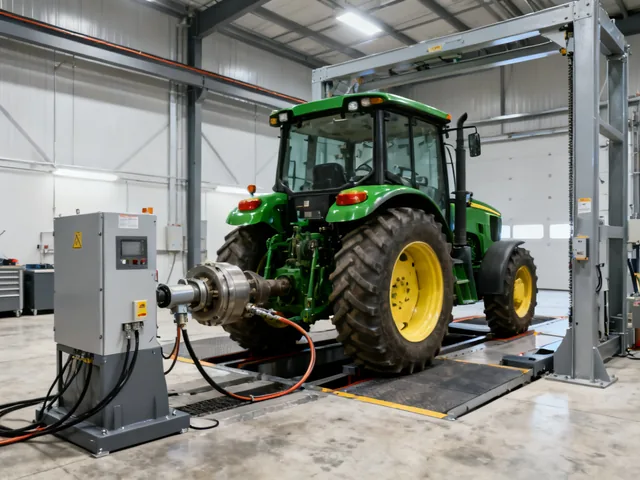
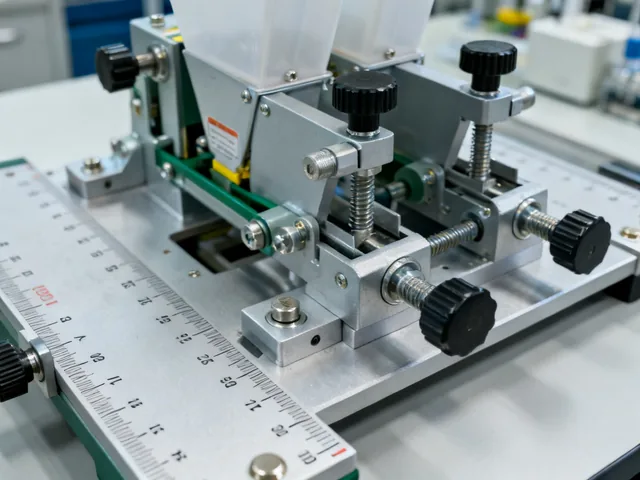
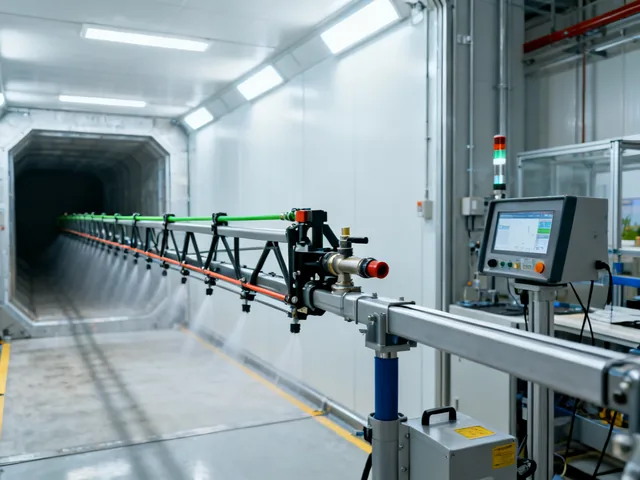
How we translate claimed engine power into usable PTO horsepower under rotary tiller and baler loads.
Throughput, drift control and terrain limits compared for large rectangular fields versus fragmented plots.
14% target notes for dryer and silo teams receiving forage harvester and combine output.
We walk procurement and agronomy teams through dyno logs, meter samples and CE / GLOBALG.A.P. documentation paths for export packages. Bring your current ballast sheets and planter meter reports if you want a side-by-side methods comparison.