Row-crop broadacre
High-horsepower tractors with rotary tiller and chisel plow sets prioritize draft sensors and ballast logs. Coverage area planning often targets 40 ha blocks before weather closes the window.

Application narratives
Each storyline ties tractor selection to real constraints: draft load, canopy geometry, grain moisture targets and forage harvester throughput—not generic “agriculture” placeholders.
Horizontal cards keep operating contexts distinct so procurement can match compact tractors, boom sprayers or grain drills without mixing orchard and broadacre assumptions.
High-horsepower tractors with rotary tiller and chisel plow sets prioritize draft sensors and ballast logs. Coverage area planning often targets 40 ha blocks before weather closes the window.
Narrow platforms emphasize canopy clearance and orchard sprayer air assistance. Drip irrigation fertigation notes sit beside tractor RFQs when alley geometry limits boom width.
Combine and grain dryer teams share a 14% moisture target. Silo and grain bin capacity must align with harvest peak hours, not average weekly throughput.
Forage harvester and baler density specs feed milking parlor and animal welfare housing schedules. PTO horsepower margins matter more than peak engine marketing numbers.
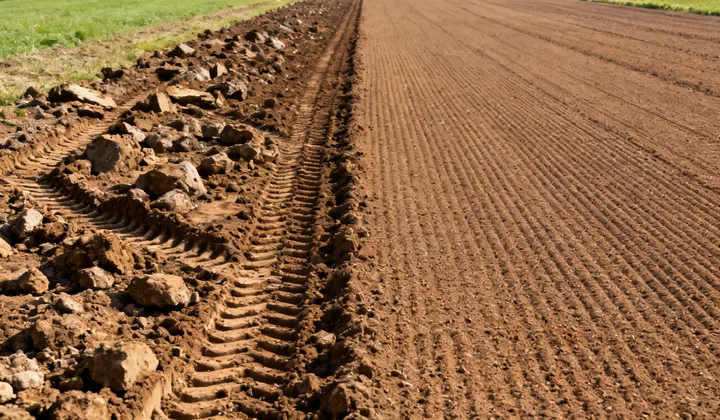
Background: a 2,800 ha corn–soy rotation faced repeated tillage rework after spring rains. Process: operators logged draft spikes on a 7.2 m rotary tiller set and rebalanced ballast against PTO horsepower traces. Result: rework passes fell from 1.8 to 1.1 per block and diesel use dropped 0.9 L/ha in the April–May 2025 window—without changing working width.
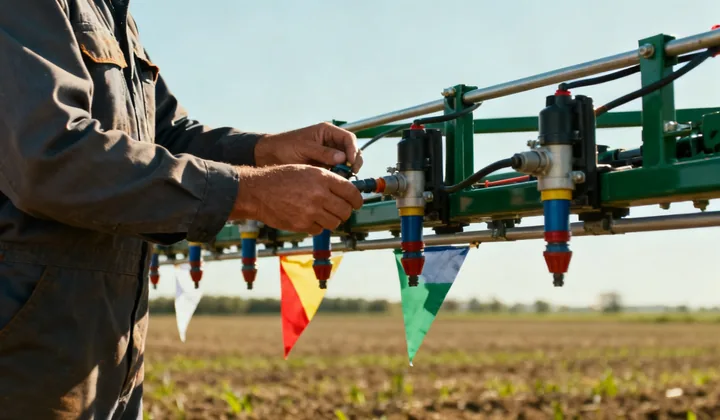
Background: a 1,200 ha rectangular farm compared drone spraying versus boom sprayers for cereal fungicide. Process: boom rate control was calibrated on a 24 m set with nozzle class notes; drones covered fragmented headlands only. Result: boom throughput held near 9.4 ha/h on open blocks while spray drift control cutoffs kept applications inside the wind band logged in the 2025 trial brief.
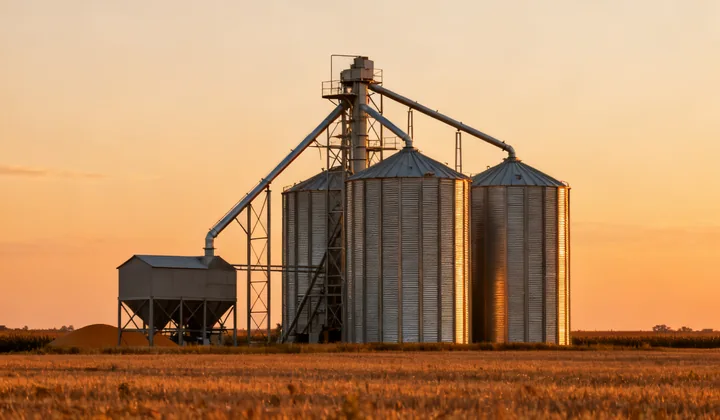
Background: wet holding queues delayed dryer intake during a 48-hour harvest peak. Process: crews adopted a shared 14% grain moisture gate with dryer operators and aligned combine unload timing to grain bin capacity. Result: wet holding time stayed inside HACCP notes for the buyer’s audit, and forage harvester wagons no longer stacked beyond the documented silo fill rate.
Drip irrigation vs center pivot: drip tape wins water-use efficiency on orchards and high-value rows; center pivot reduces labor on large circular fields. John Deere tractor RFQs should state which water system geometry the implement must clear—otherwise working width and tire package choices conflict at installation.
Glass vs polycarbonate greenhouse support: when growers request tractor-mounted shade screen service tools, we note glass houses favor higher light transmission while polycarbonate panel systems reduce impact risk—selection tables live on Agronomy Specs.
RAS vs pond aquaculture on mixed campuses: recirculating aquaculture system modules demand biosecurity and protein skimmer access that pond systems often skip; tractor loader packages sized for pond-only paths fail drum filter service routes. We flag the CapEx trade-off instead of defaulting to one water system.
Limits: case figures are site-logged bands, not warranty claims. Orchard canopy geometry and wet-clay draft spikes can move PTO horsepower needs outside the compact 45–75 hp band even when acre maps look similar.
Send acre maps, irrigation type (drip irrigation or center pivot), forage harvester windows and harvest moisture targets. We return tractor and implement options with acceptance criteria your agronomist can challenge, including polycarbonate panel or glass greenhouse service clearance when relevant.